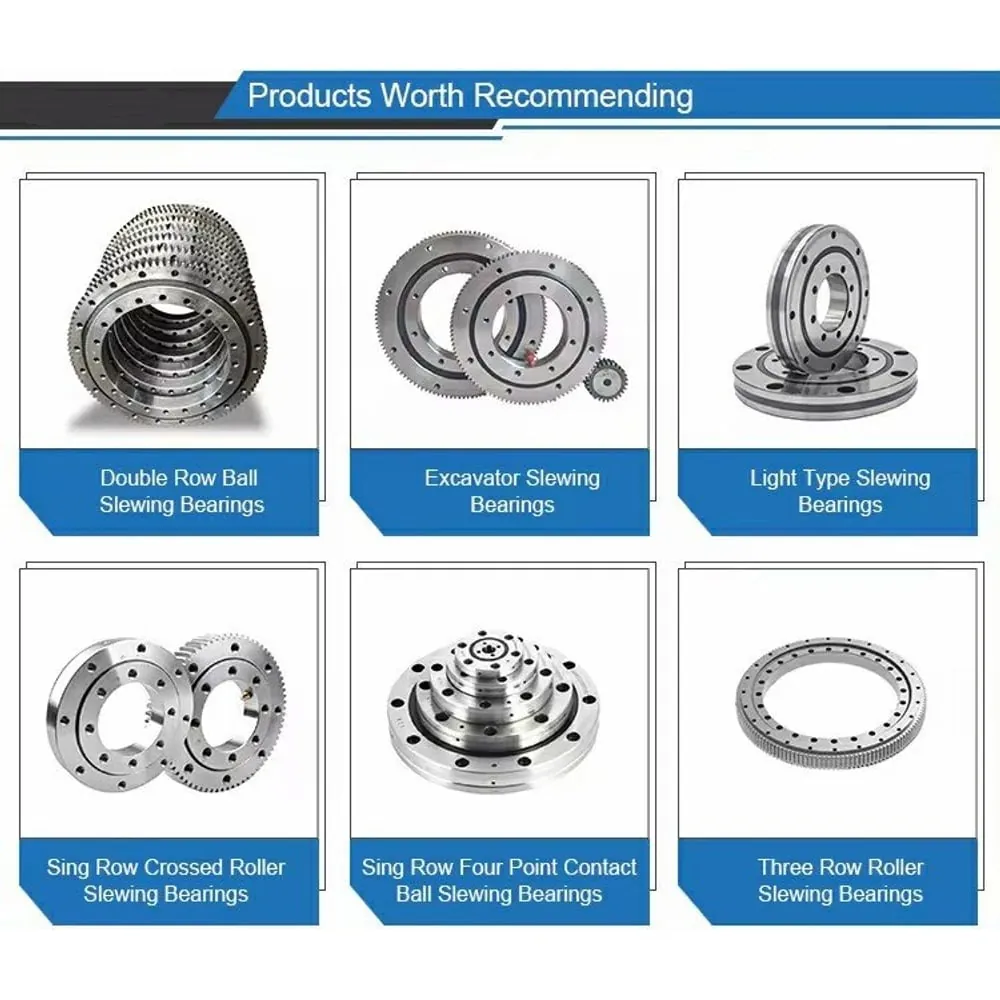
Slewing Bearing
Slewing bearings, also known as slewing ring bearings or turntable bearings, are critical components in various machinery. They consist of an outer ring...
View Details →Durable slewing bearings designed for smooth rotation, high load capacity and long-term performance in demanding mechanical systems.
Online selection is limited for this category. Send your requirements for engineering confirmation.
Open Product Selector Slewing bearings, also known as slewing ring bearings or turntable bearings, are critical components in various machinery. They consist of an outer ring...
View Details →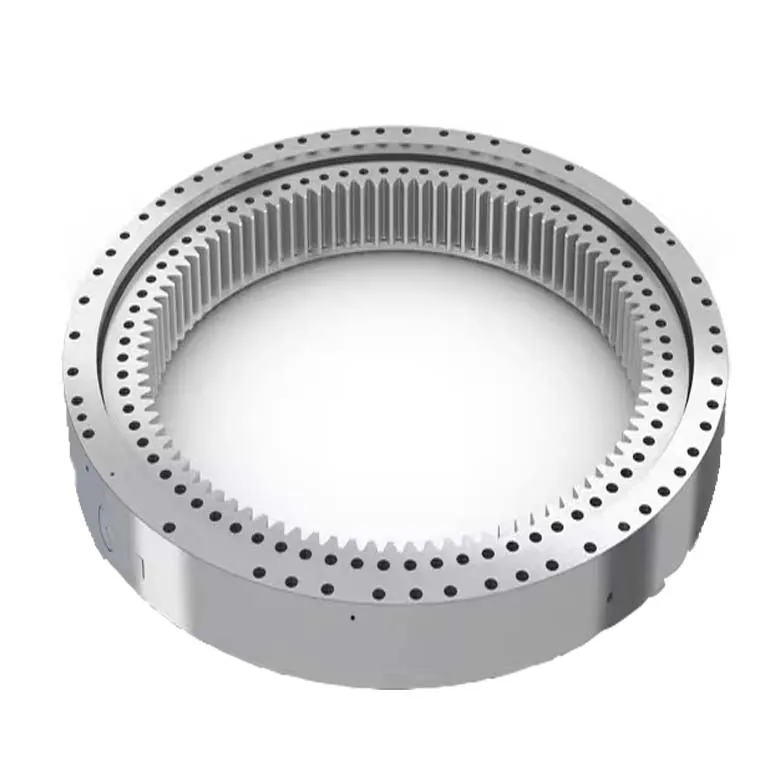
Single-row four-point contact ball slewing bearing for combined axial, radial, and tilting-moment loads in a compact ring.
View Details →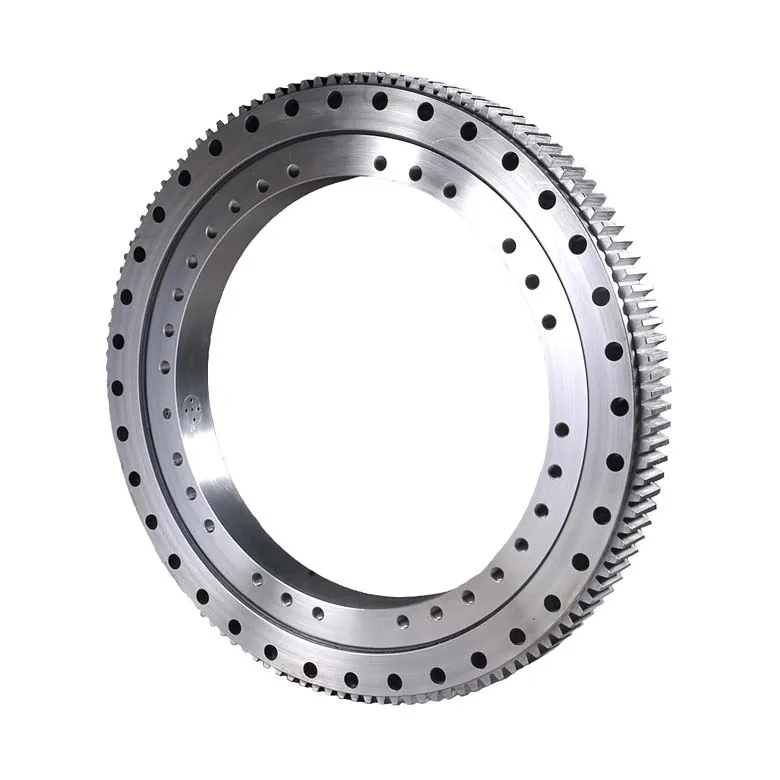
Double-row ball slewing ring for higher stiffness and load capacity under combined axial, radial, and moment loads.
View Details →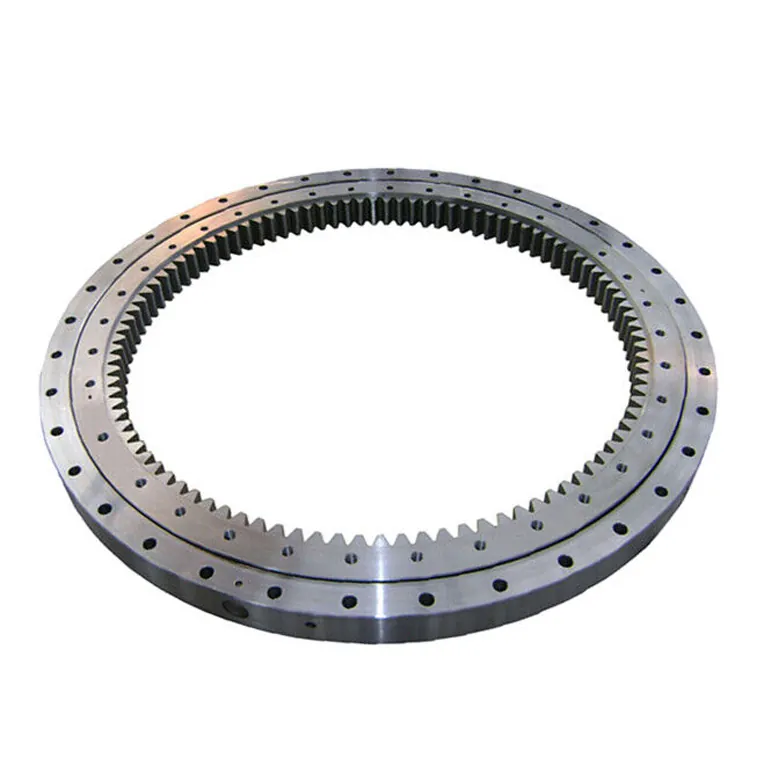
Slewing ring sized and configured for excavator upper-structure rotation under mixed construction loads.
View Details →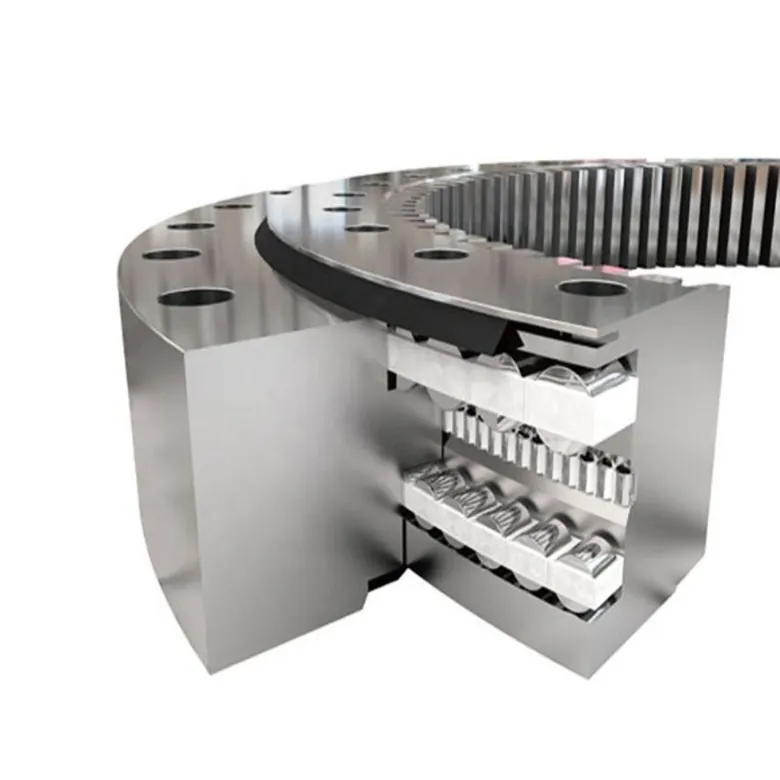
Three-row roller slewing bearing for heavy axial, radial, and moment loads in large machinery.
View Details →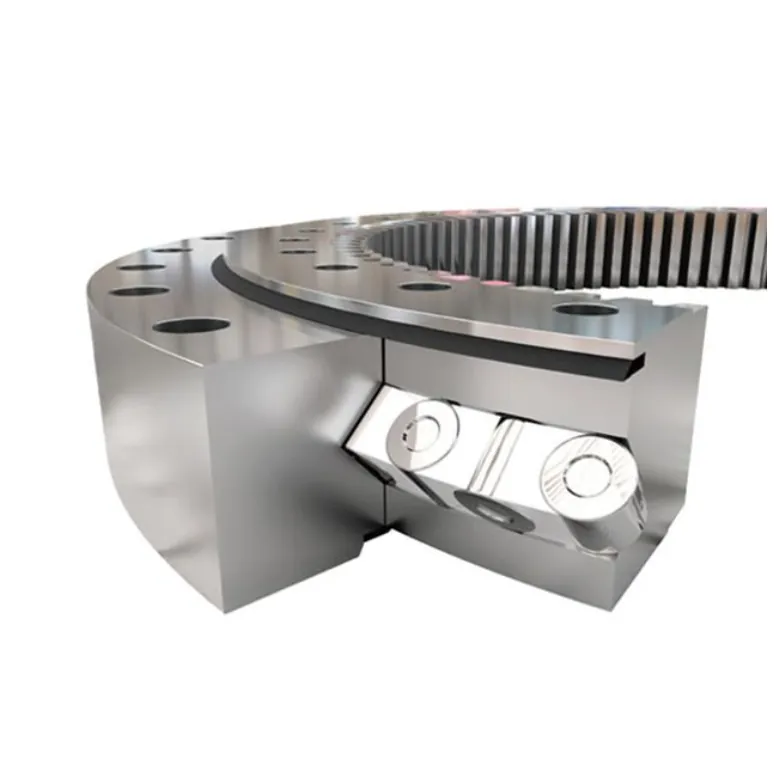
Crossed-roller slewing bearing with 90° roller arrangement for high rigidity and positioning accuracy.
View Details →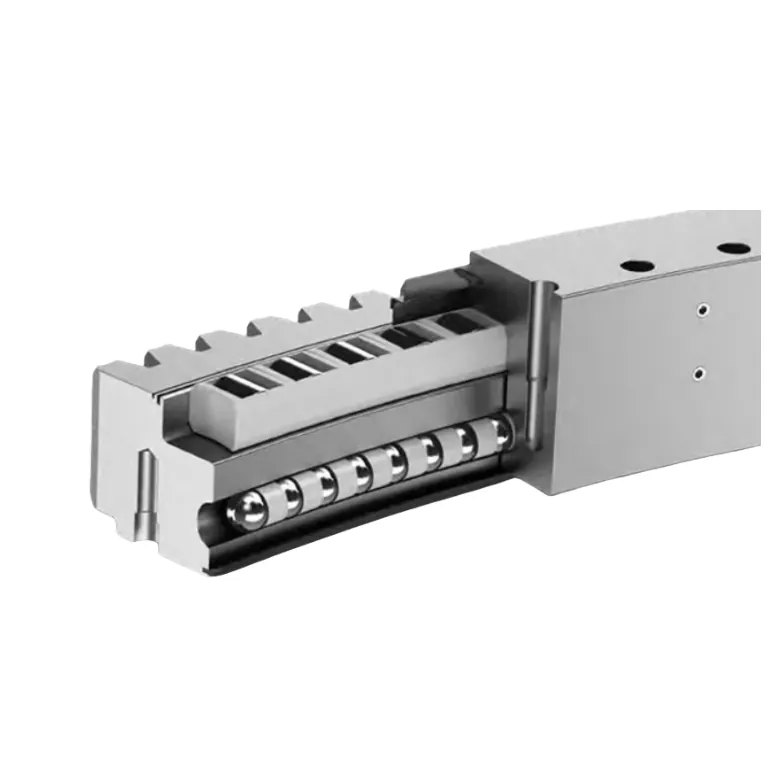
Hybrid ball-and-roller slewing ring for heavy axial/radial/moment duty with large outer diameters.
View Details →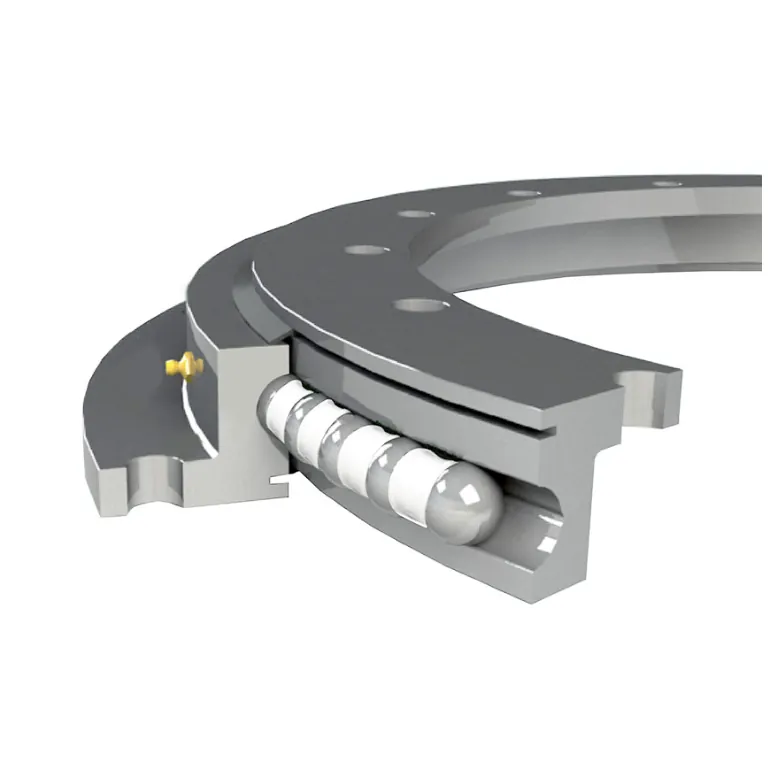
Flanged turntable slewing bearing that simplifies axial locating and can reduce the need for a separate housing seat.
View Details →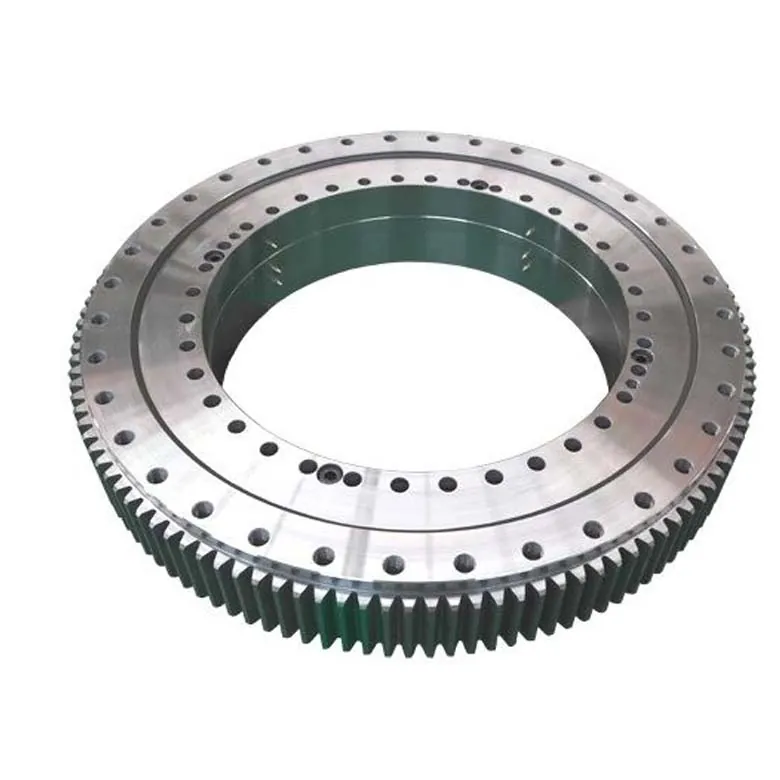
Slewing ring for automated guided vehicle (AGV) rotation modules and compact material-handling turntables.
View Details →Confirmed catalog capabilities. Model/configuration dependent — verify the SKU specification table.
Open category comparisonRequirements to provide for engineering review
Confirm product-level compatibility with engineering before ordering.
Share the application, required ratings, mounting constraints, control requirements and annual quantity. Elerover will review the published configuration and identify items that require engineering confirmation.
Provide the required operating ratings, installation constraints, duty, control method, environment and quantity. Use the selection fields above where reliable data is available.
Missing, invalid or conflicting values are not used as defaults. Send the requirement to engineering for confirmation.